
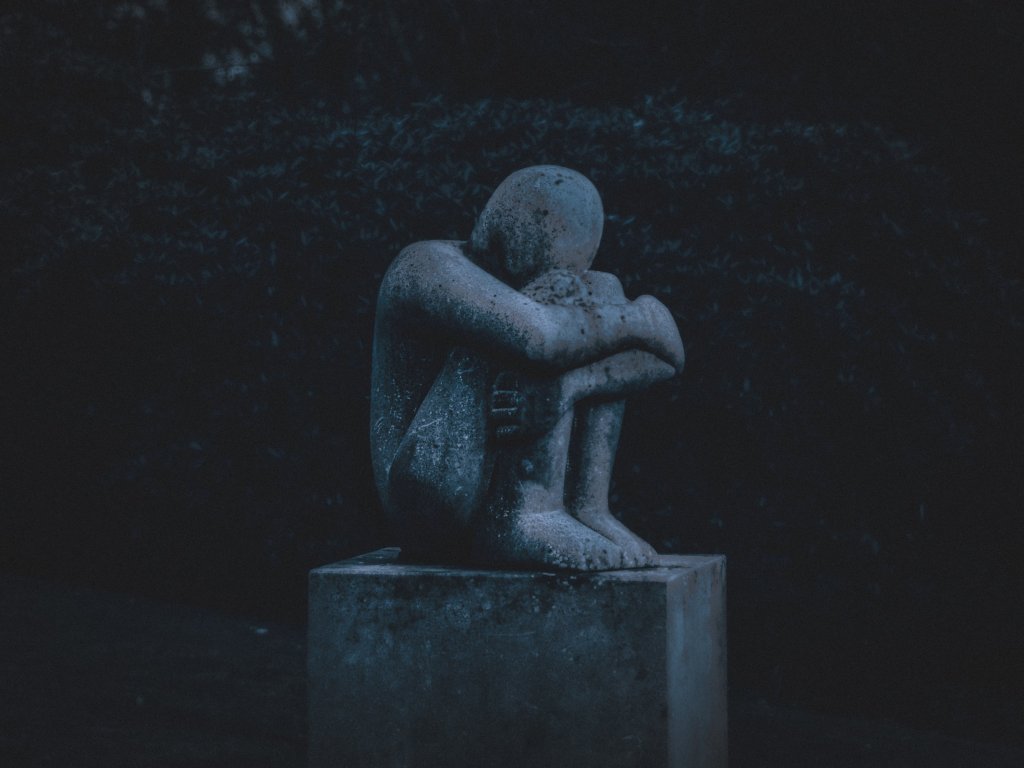
We encounter grief and loss at various stages of our existence. This can be from divorce, loss of a loved one, breakup in a relationship, loss of a job or simply moving from a place you called home to another.
So, what is grief? It is a natural reaction to loss that makes one feel numb and unable to carry out their daily activities. It is personal and the level of grief depends on the importance of the issue or person lost.
Physical and emotional symptoms of grief
Emotional symptoms include:
- Sadness
- Shock
- Guilt
- Anger
We often think that grief is emotional but it has physical effects on your body. They include:
- Fatigue. The emotional effects of grief is taking a tall on your body and you constantly feel tired without an apparent reason.
- Nausea. Taking anything will make you feel nauseated and will tend to avoid taking anything.
- Lowered immunity. When you don’t take good care of your body because you are not eating well, your immunity will be compromised.
- Weight loss or weight gain. This comes because of the fact that you don’t eat well but in some cases one may eat too much because of stress
- Aches and pains.general body aches and pains such as headache because you are not in a position to take good care of yourself.
- Insomnia. This symptom is common among many people undergoing grief. They find it hard to fall asleep and end up being sleep deprived.
The five stages of grief
One may not necessarily go through all this stages or even in that order. But this are the known stages of grief;
Denial. In this stage you can’t believe that it actually happened to you.
Anger. You become so angry and ask yourself why that is happening to you. You want answers of why and who is responsible.
Bargaining. You ask for the pain to go away in exchange you will do something else. You would rather do something else than feel the pain you are feeling at the moment
Depression. The pain is not going away and you just feel too sad to do anything at all. You just want to lie down and do nothing.
Acceptance. You finally acknowledge what happened and you feel better about yourself.
5 ways to deal with grief and loss
- Acknowledge your pain. Being in denial will only make the situation worse and slow the healing process. Some people choose to numb the pain and this gives them the illusion that they are okay and healed but sooner or later they are bound to break down. Acknowledging the pain is the first step of healing.
- Be aware that grief can trigger many different and unexpected emotions. By knowing this you avoid feeling worse when something triggers you and you feel like you have not made any progress in your healing process.
- Understand that your grieving process will be unique to you. People are different and when it comes to grieving process everyone deals with it differently. Some cry uncontrollably while others barely cry at all but deal with pain in other ways and may seem not affected. Just because your is that way it doesn’t mean you are not strong enough.
- Seek out support from people who care about you. Having a support system is very important in the grieving process. This will ensure that you don’t feel alone and aggravate the situation.
- Take good care of yourself physically. Instead of feeling sorry for yourself and wallowing in the pain take a walk, do what makes you happy, exercise and strive to eat healthy foods. Not doing anything at all will only make the situation worse as you would feel useless.









 THE UNSPOKEN