
Abruptly leaving a relationship is a bad idea,heal first

The main reason for leaving a relationship is to be happy and find peace of mind but do you know deciding to end it abruptly may cause more harm? Some end up choosing to go back to lessen the agony that comes with leaving a relationship prematurely.

Dettaching from people we once cared about and loved is one emotional roller coaster that often may lead to depression and severe emotional pain. Saddest thing about the pain that comes from heartbreak is that there is no pain killer that can help numb the pain. I have always wondered why scientists have not come up with a capsule to help relieve the pain, am sure they will make a kill from the sell since many people are suffering in silence .

There are many reasons that may force one to chose leaving a relationship. Little known to many some parents are very toxic and will often find ways to cause pain to their children. Am sure this explains that distant uncle or aunt you have always wondered why they don’t associate with their parents. In other scenerios we have very controlling friends that won’t let you be and will always find ways to frustrate you. Lastly, romantic relationship which is a major cause of emotional suffering especially when you have lots of good memories.

Learning how to handle the situation they put you through is a game changer. Emotional distancing yourself from their actions is a skill that can only save you. Over a period of time what used to upset you nolonger bother you at all. When you find yourself no longer yelling, questioning or getting upset by things that would often trigger you, you are ready to leave. That is where you now apply the physical distance. Walking away at this stage will be much easier because you took time to heal first.

What many do not know is forgiving yourself is easier than expecting an apology that may never come from someone else. We always get into relationships voluntarily and understanding that you somehow contributed to what is happening to you is important. what do I mean? Actions by other people do not affect as much as from those we chose to be close to us. For instance insults from a mere friend will not hurt as that from your partner. Accepting that you contributed to your suffering by chosing them will make it easier to move on.

Overall emotional dettachment may take some time but it is good to be smart about it. You don’t want to find yourself questioning if you made the right decision leaving. There is a saying ” A good dancer knows when to leave the stage.”
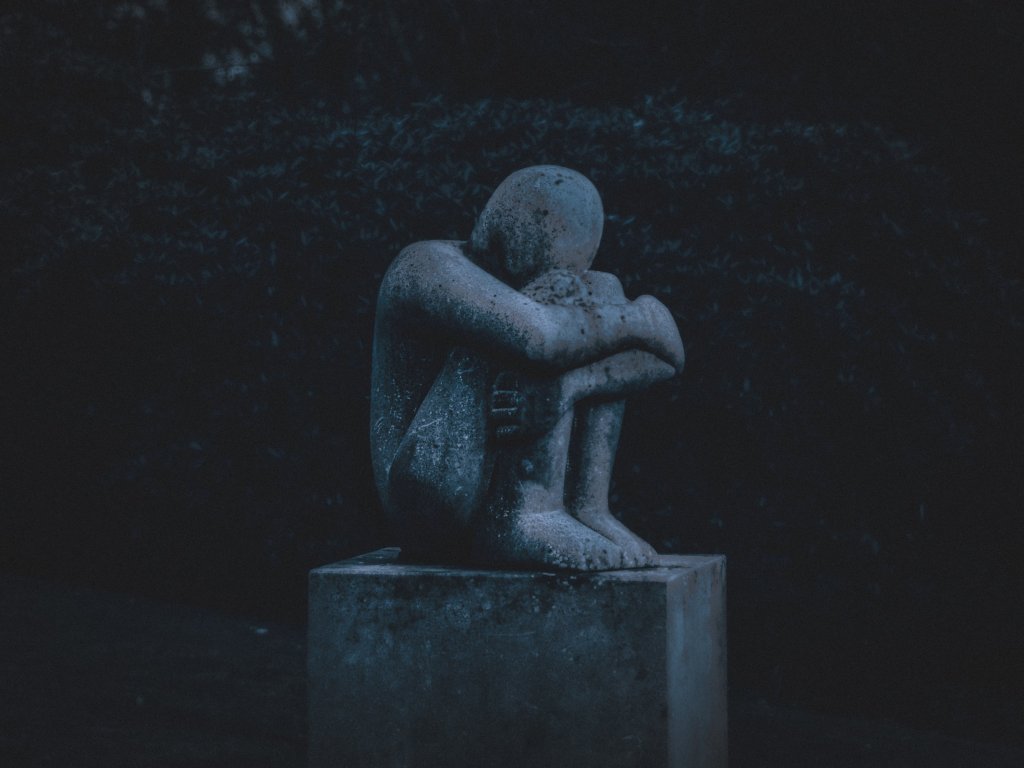
Dealing with grief and loss

We encounter grief and loss at various stages of our existence. This can be from divorce, loss of a loved one, breakup in a relationship, loss of a job or simply moving from a place you called home to another.

So, what is grief? It is a natural reaction to loss that makes one feel numb and unable to carry out their daily activities. It is personal and the level of grief depends on the importance of the issue or person lost.

Physical and emotional symptoms of grief

Emotional symptoms include:

  • Sadness
  • Shock
  • Guilt
  • Anger

We often think that grief is emotional but it has physical effects on your body. They include:

  • Fatigue. The emotional effects of grief is taking a tall on your body and you constantly feel tired without an apparent reason.
  • Nausea. Taking anything will make you feel nauseated and will tend to avoid taking anything.
  • Lowered immunity. When you don’t take good care of your body because you are not eating well, your immunity will be compromised.
  • Weight loss or weight gain. This comes because of the fact that you don’t eat well but in some cases one may eat too much because of stress
  • Aches and pains.general body aches and pains such as headache because you are not in a position to take good care of yourself.
  • Insomnia. This symptom is common among many people undergoing grief. They find it hard to fall asleep and end up being sleep deprived.

The five stages of grief

One may not necessarily go through all this stages or even in that order. But this are the known stages of grief;

Denial. In this stage you can’t believe that it actually happened to you.

Anger. You become so angry and ask yourself why that is happening to you. You want answers of why and who is responsible.

Bargaining. You ask for the pain to go away in exchange you will do something else. You would rather do something else than feel the pain you are feeling at the moment

Depression. The pain is not going away and you just feel too sad to do anything at all. You just want to lie down and do nothing.

Acceptance. You finally acknowledge what happened and you feel better about yourself.

5 ways to deal with grief and loss

  1. Acknowledge your pain. Being in denial will only make the situation worse and slow the healing process. Some people choose to numb the pain and this gives them the illusion that they are okay and healed but sooner or later they are bound to break down. Acknowledging the pain is the first step of healing.
  2. Be aware that grief can trigger many different and unexpected emotions. By knowing this you avoid feeling worse when something triggers you and you feel like you have not made any progress in your healing process.
  3. Understand that your grieving process will be unique to you. People are different and when it comes to grieving process everyone deals with it differently. Some cry uncontrollably while others barely cry at all but deal with pain in other ways and may seem not affected. Just because your is that way it doesn’t mean you are not strong enough.
  4. Seek out support from people who care about you. Having a support system is very important in the grieving process. This will ensure that you don’t feel alone and aggravate the situation.
  5. Take good care of yourself physically. Instead of feeling sorry for yourself and wallowing in the pain take a walk, do what makes you happy, exercise and strive to eat healthy foods. Not doing anything at all will only make the situation worse as you would feel useless.

Is crying good for your health? Reasons why it is a good idea to cry

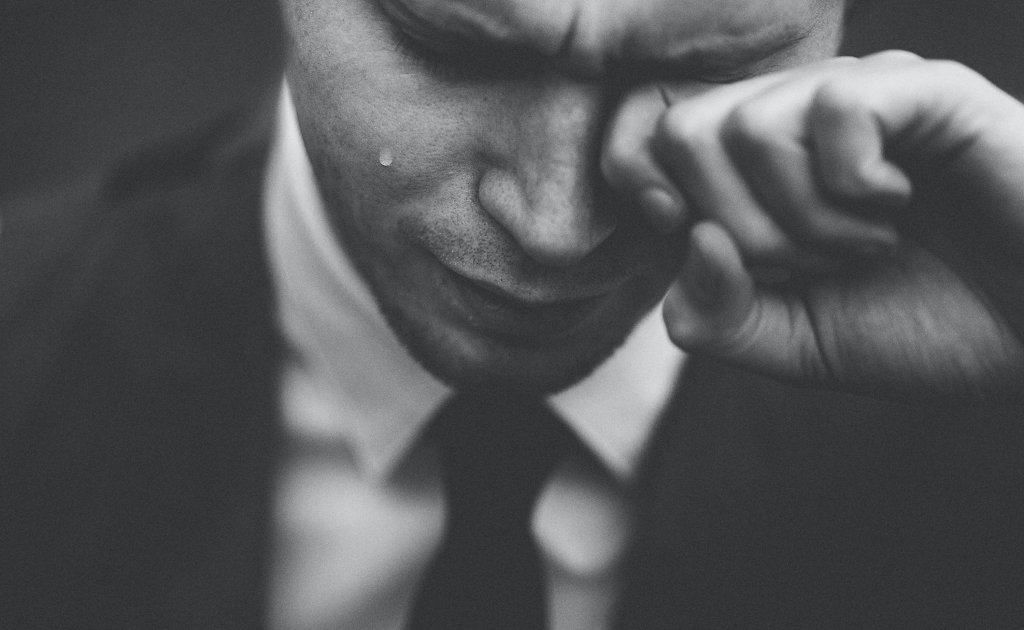
An image of a man crying.

Crying is a natural response to a range of emotions, varying from deep sadness or grief to extreme happiness.

Most African communities associate crying with weakness consequently causing their men to avoid crying at all cost. This has caused many to pile emotions creating a ticking bomb that is bound to explode sooner or later. Research has discovered that more women than men cry when under pressure.

6 reasons why you should Cry

1. It helps in self soothing. Crying activates the parasympathetic nervous system (PNS). The PNS helps your body rest and digest food.

2. Reduces pain. Long periods of crying releases oxytocin( numbs the pain) and endorphins( gives the calming effect) which are feel good chemicals that ease emotional and physical pain.

3. Helps to build up your social support network when the going gets tough. When you cry you let others know you are not okay and would therefore use their support. It improves interpersonal relationships.

4. Restores emotional balance. We often cry when our emotions go to the extreme inorder to create equilibrium. These emotions can vary from extreme happiness to extreme sadness.

5. Helps in dealing with grieve. The lose of a loved one is one of the hardest thing to come to terms with. The emotions that come with it is overwhelming and it sometimes pushes people to depression. Crying is one way of soothing the pain and expressing how you actually feel.

6. Detoxifies the body. There are 3 types of tears reflex, continuous and emotional tears. Reflex tears clear debris from the eyes( smoke and dust), continuous tears create lubrication and protect the eye from infection and lastly emotional tears is mostly made up of stress hormones to relieve stress and pain.

Even though crying is considered good for your health, in a situation where one cries frequently without an apparent reason it is an indication that there is a problem somewhere and one should seek medical attention.